
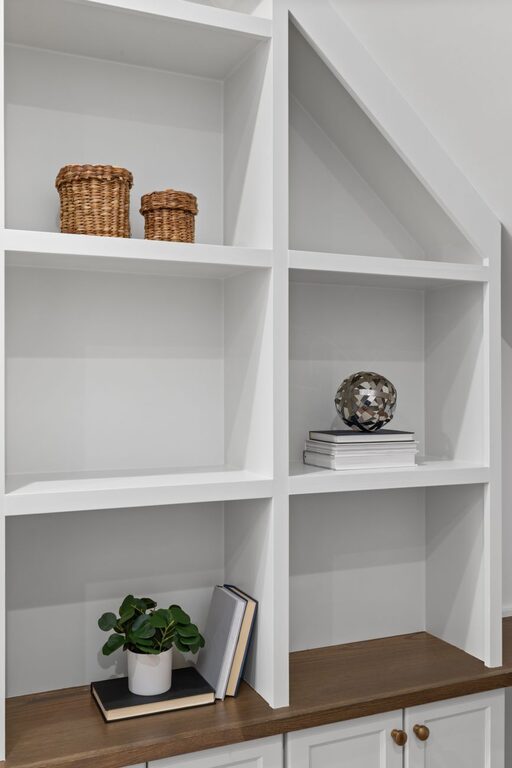
Small Space Storage Ideas That Actually Work
Living in a small home or apartment does not mean you have to live with constant clutter. The key is to use space thoughtfully, including areas that are often overlooked. With the right combination of vertical storage, flexible furniture, and simple organizing habits, even a compact room can feel open and useful.
The best small space storage ideas do more than add containers. They make everyday items easier to reach, create a place for everything, and help your rooms work harder without feeling crowded.
Use Vertical Space
When floor space is limited, look up. Walls, doors, and the area above furniture can provide valuable storage without taking up much room.
Install Wall-Mounted Shelves
Floating shelves are useful in nearly every room. Place them above a desk, sofa, bed, or kitchen counter to hold books, baskets, plants, or everyday supplies.
For a neat appearance:
– Keep frequently used items on lower shelves.
– Use matching baskets to group smaller objects.
– Leave some open space so the shelves do not look crowded.
– Install shelves at a comfortable height for easy access.
Tall bookcases and narrow shelving units are also excellent choices. A slim unit can fit beside a refrigerator, sofa, or doorway while offering several levels of storage.
Make Use of Doors
The back of a door is often unused. An over-the-door organizer can hold shoes, cleaning supplies, accessories, pantry items, or bathroom products.
Choose an organizer based on the door’s clearance. If the door is close to a wall or cabinet, select a slim design that will not interfere with opening and closing. Hooks can also turn a door into a simple storage spot for robes, bags, hats, or towels.
Choose Furniture With Built-In Storage
Furniture that serves more than one purpose is especially valuable in a small home. Look for pieces that provide storage while performing their main function.
Try an Ottoman or Storage Bench
A storage ottoman can act as a footrest, extra seating, or a coffee table while hiding blankets, games, or electronic accessories. In an entryway, a storage bench provides a place to sit and a convenient home for shoes, bags, and seasonal items.
Use labeled containers inside larger pieces so you can find what you need without emptying the entire space.
Select a Bed With Room Below
The space under a bed is ideal for items you do not use every day. Low storage boxes, fabric bags, or rolling drawers can hold clothing, spare bedding, luggage, and seasonal decorations.
Choose containers with handles or wheels so they are easy to pull out. If the area is visible, use matching boxes or a bed skirt to keep the room looking tidy.
Consider a Drop-Leaf Table
A drop-leaf table can function as a dining table, work surface, or craft area. Fold the sides down when it is not in use to preserve valuable floor space.
Wall-mounted folding desks offer a similar benefit. Some include small shelves or compartments for notebooks, chargers, and office supplies.
Make Small Rooms Work Harder
Each room may need to serve several purposes. Smart storage can help divide activities without making the space feel full.
Create Zones With Open Shelving
An open shelving unit can separate a sleeping area from a living area while adding storage on both sides. Use baskets, books, and decorative objects to create a visual boundary without blocking natural light.
Avoid filling every shelf. A partly open unit will feel lighter and allow the room to appear more spacious.
Use a Rolling Cart
A slim rolling cart can move wherever it is needed. In the kitchen, it can store snacks, spices, or small appliances. In a bathroom, it can hold towels and personal care items. In a home office, it can organize paper, supplies, and charging equipment.
Because it can be moved, a cart is useful in rooms that change purpose throughout the day.
Improve Closets and Cabinets
You do not always need a larger closet. Often, you need a better system inside the one you already have.
Add a Second Hanging Rod
A second rod can double the hanging space in a closet by creating separate levels for shorter clothing. Use the upper level for shirts, skirts, or folded pants and the lower level for additional garments.
For items that cannot hang, add a hanging shelf organizer. It can hold sweaters, bags, shoes, or folded accessories without requiring additional furniture.
Use Shelf Risers and Bins
Shelf risers create another level inside cabinets and closets. They are useful for dishes, folded clothing, cleaning products, and pantry supplies.
Clear bins make it easy to see what you own, while labeled baskets work well for items that do not need to be visible. Grouping similar things together also reduces the time spent searching.
Install Hooks and Pegboards
Hooks are a simple way to store items that would otherwise land on a chair or countertop. Use them for keys, kitchen tools, headphones, scarves, or cleaning equipment.
A pegboard offers more flexibility because hooks and shelves can be moved as your needs change. It works well in kitchens, offices, craft areas, and entryways.
Use Awkward Areas
Small or unusual spaces can provide useful storage when handled carefully.
The area under stairs can hold drawers, shelves, or a compact workstation. The space above a toilet can accommodate a narrow cabinet or floating shelves. A gap between a cabinet and wall may be wide enough for a slim rolling storage unit.
Corners are another opportunity. A corner shelf or triangular cabinet can hold books, plants, toiletries, or kitchen supplies without extending far into the room.
Before buying anything, measure the height, width, and depth of the area. Also check doors, drawers, outlets, and walking paths to make sure the storage will be practical.
Keep Counters and Floors Clear
A room often feels cluttered when too many items are left on visible surfaces. Use simple organizers to move everyday objects into defined places.
In the kitchen, install a magnetic strip for small metal tools, use a wall-mounted paper towel holder, or store cutting boards in a narrow vertical rack. In the bathroom, a slim caddy can keep products together while a wall-mounted toothbrush holder frees up counter space.
For entryways, place a small tray near the door for keys and other pocket items. Add a basket for mail and a hook for frequently used bags. These small systems prevent clutter from spreading to other rooms.
Store Less, But Store Better
Storage works best when it supports the items you actually use. Before adding containers, review what you own and remove things that are broken, duplicated, or no longer useful.
Try these habits:
– Keep everyday items within easy reach.
– Store seasonal belongings in less accessible areas.
– Group similar items together.
– Use one container for each category.
– Return items to their assigned place after use.
– Leave a little extra room for future needs.
Avoid buying organizers before measuring your space and sorting your belongings. Otherwise, containers can become another source of clutter.
Create a Simple System
The most effective storage solution is one that is easy to maintain. Choose arrangements that match your routine instead of creating extra work.
Keep a small basket near the stairs or hallway for items that belong in another room. Use labels when several containers look alike. Place the things you use most often at eye level and reserve higher shelves for occasional items.
A small space does not need to hold less comfort or personality. By using vertical areas, choosing multifunctional furniture, improving closets, and maintaining simple routines, you can create a home that feels organized, flexible, and comfortable.
