
Practical Tips for Better Focus While Working From Home
Working from home offers flexibility, but it can also make it harder to stay focused. Household tasks, phone notifications, family activities, and an informal work setup can all compete for your attention. The good news is that better focus does not require a perfect routine. A few practical changes can help you work with greater clarity and make your day feel more manageable.
Create a Dedicated Work Area
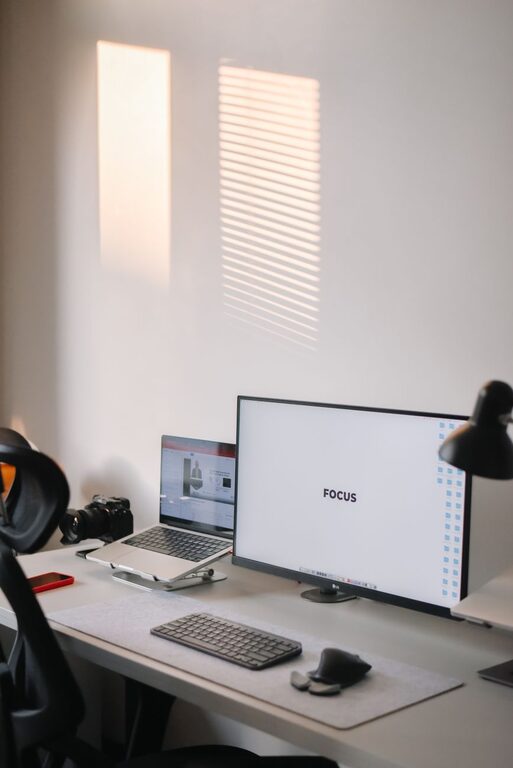
Your environment has a strong influence on your ability to concentrate. If possible, choose one specific area for work, even if it is a small corner of a room. Using the same space regularly can help create a clear boundary between work time and personal time.
A dedicated work area should be:
– Comfortable enough for extended periods of work
– Well lit, preferably with natural light
– Free from unnecessary clutter
– Equipped with the tools you use most often
– Separate from areas associated with relaxation, when possible
You do not need expensive furniture or a large home office. A clean table, supportive chair, and organized supplies can make a noticeable difference. At the end of the workday, clear the area or close your laptop to signal that work is finished.
Plan Your Most Important Tasks
Starting the day without a plan can lead to constant decision-making and unnecessary distractions. Before you begin, identify the tasks that matter most. Choose two or three priorities rather than creating an unrealistic list of everything you would like to accomplish.
A simple daily plan might include:
- One important task that requires focused attention
- One or two smaller tasks
- Scheduled meetings or appointments
- A short list of tasks that can wait if time runs short
Try to estimate how long each task will take. This helps you build a realistic schedule and prevents you from filling every minute with work. Leave some open time for messages, unexpected requests, and short breaks.
Use Time Blocks
Time blocking means assigning specific periods to different types of work. For example, you might reserve the first hour of the day for writing, the next hour for project work, and the afternoon for meetings and email.
This approach reduces the need to decide what to do next. It also encourages you to give one task your full attention instead of switching between several activities.
When creating time blocks:
– Group similar tasks together
– Set aside uninterrupted time for complex work
– Place routine tasks in lower energy periods
– Add breaks between longer blocks
– Keep your schedule flexible enough for changes
You can use a paper planner, digital calendar, or simple list. The tool matters less than using it consistently.
Reduce Digital Distractions
Devices make remote work possible, but they can also interrupt your attention. Email alerts, chat messages, social media, and news updates can quickly break your concentration.
Start by reviewing your notifications. Turn off alerts that are not urgent, and keep only the messages that require an immediate response. During focused work, consider using a do not disturb setting or closing unnecessary browser tabs.
Other helpful steps include:
– Check email at planned times instead of continuously
– Keep your phone out of reach during deep work
– Sign out of personal accounts on your work browser
– Use website blocking tools when distractions are difficult to avoid
– Keep only the documents and applications related to your current task open
You do not have to eliminate every distraction. The goal is to make interruptions less automatic and easier to manage.
Work in Focused Sessions
Long, unbroken work periods are not always the most productive. Many people find it easier to focus in shorter sessions followed by brief breaks. You might work for 25 minutes and rest for 5, or work for 50 minutes and take a 10-minute break.
During each session, choose one clear objective. Instead of writing “work on report,” define the next step as “draft the introduction” or “review the first section.” Specific goals make it easier to begin and track progress.
During breaks, step away from your screen if possible. Stretch, get water, look outside, or walk around the room. A short change of activity can help you return with renewed attention.
Manage Household Interruptions
Working from home often means sharing your space with other people, pets, or household responsibilities. Clear communication can reduce interruptions and make your schedule easier for others to understand.
Let household members know:
– When you are available for conversation
– When you need uninterrupted work time
– Which interruptions are urgent
– When your workday begins and ends
A closed door, desk sign, or pair of headphones can serve as a simple visual signal. If you care for children or manage household tasks during the day, plan around those responsibilities instead of expecting them to disappear. A realistic schedule is more useful than a perfect one.
Make Meetings More Focused
Remote meetings can take up much of the workday, leaving little time for important tasks. Before accepting a meeting, consider whether the topic could be handled through a message or shared document.
For meetings that are necessary:
– Review the agenda in advance
– Write down the desired outcome
– Close unrelated applications
– Keep notes in one place
– Summarize action items before the meeting ends
Try to avoid scheduling meetings back to back whenever possible. Even a short gap gives you time to record notes, prepare for the next task, and reset your attention.
Build Helpful Start and End Routines
A consistent routine can make it easier to shift into work mode. Your starting routine might include making coffee, reviewing your plan, clearing your desk, and beginning with your most important task.
An end-of-day routine is just as valuable. Spend a few minutes reviewing what you completed, noting unfinished tasks, and preparing your first priority for the next day. Then shut down your work devices or move them out of sight.
These routines create a clear beginning and ending, which can prevent work from blending into every part of the day.
Keep Your Energy Steady
Focus depends on more than time management. Your workspace and daily habits also affect how consistently you can work. Keep water nearby, eat regular meals, and include movement in your day. Even a short walk or brief stretch can provide a useful break from sitting and screen time.
It also helps to notice when you naturally feel most alert. If mornings are your strongest period, reserve them for demanding tasks. If your attention improves later in the day, use that time for projects that require deeper concentration.
Review and Improve Your Routine
No work-from-home routine works perfectly from the beginning. At the end of each week, take a few minutes to review what helped and what created problems.
Ask yourself:
– When was it easiest to focus?
– Which distractions appeared most often?
– Were my daily goals realistic?
– Did meetings interrupt important work?
– What small change could improve next week?
Make one or two adjustments at a time. You might move your workspace, change when you check messages, or shorten your task list. Small, consistent improvements are easier to maintain than a complete schedule overhaul.
Better focus at home comes from designing your surroundings and routines to support the way you work. With a dedicated space, clear priorities, fewer interruptions, and regular breaks, you can create a workday that is both more productive and more balanced.