
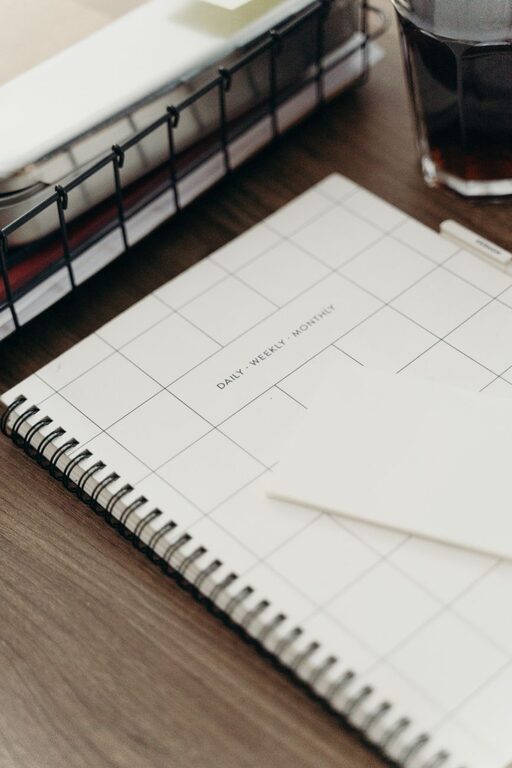
How to Choose a Notebook You’ll Actually Use
A notebook can be more than a collection of blank pages. It can hold daily plans, creative ideas, meeting notes, sketches, reading lists, and reminders that would otherwise disappear into your phone or memory. The challenge is choosing one that fits your real habits—not an idealized version of how you wish you wrote.
The best notebook is not necessarily the most expensive, attractive, or popular. It is the one you enjoy opening and can use comfortably in the situations that matter to you. Before buying one, consider how, where, and why you plan to use it.
Start With Its Main Purpose
A notebook designed for quick work notes may not be the best choice for journaling or drawing. Begin by identifying the notebook’s primary job.
Ask yourself:
– Will I use it for planning my day?
– Do I need it for school, work, or meetings?
– Will I write personal thoughts in it?
– Do I want to sketch, practice lettering, or make diagrams?
– Will I carry it everywhere?
– Do I need separate sections for different projects?
If you have several uses in mind, decide whether one notebook can handle them all. A single flexible notebook can be convenient, but separate notebooks may be easier to organize. For example, you might keep one small notebook for quick notes and one larger notebook for long-form writing.
Avoid choosing a notebook based only on what looks appealing in the store. A beautiful notebook with the wrong layout or size may remain untouched.
Choose a Size That Matches Your Routine
Notebook size has a major effect on whether you use it regularly.
A pocket-sized notebook is easy to carry in a coat pocket, small bag, or even some clothing pockets. It works well for short lists, quick reminders, and ideas captured while you are out. However, its pages may feel cramped if you write in large letters or need room for detailed notes.
A medium notebook offers a useful balance. It can fit in many backpacks and work bags while providing enough space for planning and general writing. This is often a good starting point if you are unsure what size you need.
A large notebook gives you more room for writing, charts, sketches, and detailed notes. It may be comfortable at a desk but less convenient to carry. If you plan to use your notebook mostly at home or work, the extra space may be worth the added size.
Think about where you will use it most. A notebook that is always at your desk can be larger, while one intended for travel should be light and portable.
Pick the Right Page Layout
The page layout should support the way you naturally write.
Lined Pages
Lined pages are a reliable choice for notes, lists, journaling, and everyday writing. They help keep text organized without requiring much thought. Consider the spacing between lines if you have large or small handwriting.
Blank Pages
Blank pages are ideal for sketches, mind maps, diagrams, free-form notes, and creative work. They offer flexibility but provide less guidance for keeping writing straight.
Grid Pages
Grid pages work well for tables, calendars, diagrams, charts, and structured notes. The small squares can also provide gentle writing guidance without being as visually strong as traditional lines.
Dotted Pages
Dotted pages offer a middle ground between lined and blank paper. The dots can guide writing, drawing, planning, and simple layouts while remaining relatively subtle.
Mixed Layouts
Some notebooks combine different page types or include dedicated sections for lists and planning. These can be useful if your needs vary, but make sure the layout is not more complicated than your routine requires.
The best layout is the one that makes your intended activity feel easy. If you have to constantly work around the page design, you may stop using the notebook.
Pay Attention to Paper Quality
Paper affects comfort, appearance, and the types of pens you can use.
If you prefer ballpoint pens or pencils, most standard notebook paper will probably work well. If you use gel pens, markers, or fountain pens, look for thicker paper that reduces smearing and ink showing through to the other side.
You can test paper by:
– Writing with your favorite pen
– Checking whether ink dries quickly
– Looking for show-through on the back of the page
– Turning several pages to see whether they feel smooth
– Testing whether the surface feels too rough or too slippery
Paper that feels pleasant can make you more likely to write. On the other hand, paper that causes smudges or forces you to use only certain pens can become frustrating.
Consider Binding and Durability
A notebook’s binding affects how easily it opens and how long it lasts.
Spiral-bound notebooks often lie flat, making them convenient for writing with one hand or using on a small surface. They may be less comfortable to store on a crowded shelf, and the wire can bend if the notebook is carried without protection.
Sewn or flexible bindings can be durable and comfortable, especially when the notebook opens easily. Some bound notebooks do not lie completely flat, which may matter if you write across an entire page.
Hard covers offer more protection and provide a firm surface when you are writing away from a desk. Soft covers are usually lighter and easier to carry. Consider whether your notebook will live in a bag, travel often, or stay in one location.
A sturdy cover is helpful, but excessive durability can add weight. Choose enough protection for your routine rather than the maximum available.
Match the Notebook to Your Writing Habits
Your writing habits are more important than any trend.
If you make short notes throughout the day, choose a notebook that opens quickly and is easy to carry. If you write for long periods, prioritize comfortable paper, a larger size, and a binding that stays open.
If you often skip days, avoid a dated notebook unless you like the structure. An undated notebook gives you freedom to use pages whenever you need them without leaving obvious gaps.
If you tend to write in several places, consider a notebook with a flexible cover or a compact design. If you prefer one consistent location, choose a notebook that fits comfortably on that desk or shelf.
You should also think about how much organization you want. Numbered pages, a table of contents, pockets, bookmarks, and elastic closures can be useful. However, extra features are only valuable if you will actually use them.
Choose a Design You Enjoy Seeing
Appearance may seem less important than size or paper, but it can influence whether you reach for the notebook.
Choose a cover color, texture, or style that feels appealing without making the notebook too precious to use. Some people avoid writing in notebooks that look too special because they worry about making mistakes. If that sounds familiar, select something attractive but practical.
A notebook should invite use, not create pressure. A few imperfect pages are better than a flawless notebook that stays on a shelf.
Set a Realistic Price
Price does not always reflect usefulness. An inexpensive notebook may be perfect for quick lists, while a more carefully made notebook may be worthwhile for daily writing.
Before buying, consider:
– How frequently you will use it
– Whether you need special paper
– How much wear it will receive
– Whether replacing it will be easy
– Whether the cost makes you hesitant to experiment
If you are trying a new format, start with a reasonably priced option. Once you understand what works, you can invest in a notebook with features you value.
Make It Easy to Start Using
Even the right notebook can go unused if it has no clear place in your routine. Give it a simple starting purpose.
Write the first page with:
– A short list of current priorities
– Important dates
– Ideas you want to remember
– A simple weekly plan
– A note explaining what the notebook is for
Keep it where you are most likely to use it, such as beside your computer, near the door, or in your everyday bag. Pair it with a pen you enjoy and make the first few entries simple.
The perfect notebook is not the one with the most features. It is the one that fits your habits, feels comfortable in your hands, and makes writing easier. Choose based on your real routine, and you are much more likely to fill its pages.
