
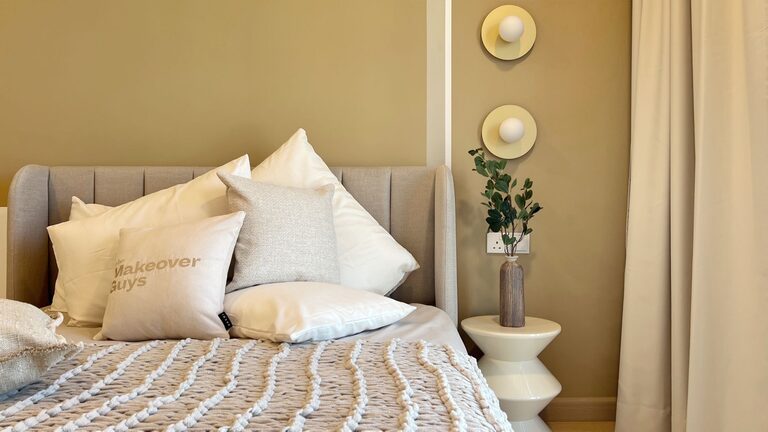
How to Refresh Your Bedroom on a Budget
A bedroom refresh does not require a full renovation or a large shopping budget. Small, thoughtful changes can make the room feel cleaner, brighter, and more comfortable. By focusing on the areas that have the biggest visual impact, you can create a welcoming space without replacing everything.
Start with a clear plan, use what you already own, and add a few affordable updates where they matter most.
Start With a Clean Slate
Before buying anything, remove items that no longer belong in the bedroom. Clutter can make even a well-decorated room feel crowded, while a tidy space often looks refreshed immediately.
Begin with these simple steps:
– Clear surfaces such as nightstands, dressers, and shelves.
– Remove clothing that no longer fits or gets worn.
– Sort items into keep, donate, recycle, and relocate piles.
– Wash bedding, curtains, rugs, and removable cushion covers.
– Dust light fixtures, baseboards, window frames, and furniture tops.
– Vacuum under the bed and in corners that are easy to overlook.
Once the room is clean, take a few minutes to notice what works and what does not. You may find that moving furniture or removing a few decorations is enough to improve the space.
Rearrange the Furniture
Rearranging furniture is one of the easiest ways to change a bedroom without spending money. Try placing the bed on a different wall, if the room allows it, or move the nightstands so the layout feels more balanced.
Keep movement around the room in mind. Doors, closets, windows, and drawers should open easily. Avoid blocking natural light or creating narrow walking paths.
Consider these layout ideas:
– Center the bed on the main wall to create a strong focal point.
– Place a small bench or chair near a window or at the foot of the bed.
– Move a dresser away from the bed if the room feels crowded.
– Use a small table as a nightstand if it has the right height.
– Leave some open space so the room feels calm rather than packed.
You can also rotate artwork, lamps, and accessories from other rooms. A piece that feels ordinary in one space may look new when used in the bedroom.
Refresh the Bedding
Bedding takes up a large portion of the room, so changing it can have an immediate effect. You do not need to replace the entire set. Start with one or two affordable layers, such as pillow covers, a quilt, or a lightweight throw.
Choose a simple color combination that suits the mood you want. Soft neutrals can create a relaxed look, while muted blues, greens, or warm earth tones can add personality without making the room feel busy.
For a coordinated bed:
– Use a fitted sheet in a neutral color.
– Add a duvet cover or blanket in a simple pattern.
– Layer two or three pillows in different textures.
– Fold a throw blanket across the bottom of the bed.
– Keep patterns limited to one or two pieces.
Check discount stores, online clearance sections, and seasonal sales for affordable bedding. You can also use a large scarf or lightweight blanket as a decorative layer if the fabric is comfortable and washable.
Improve the Lighting
Good lighting can make a bedroom feel warmer and more inviting. If the room has only one overhead light, add smaller light sources to create a softer atmosphere.
A pair of matching lamps can make the bed area feel balanced, but matching is not required. Two different lamps can work well if they are similar in size or color.
Affordable lighting ideas include:
– Replace cool white bulbs with warm white bulbs.
– Add a small lamp to a dark corner.
– Use a plug-in wall light near the bed.
– Place a string of small lights behind a headboard or along a shelf.
– Clean dusty shades and replace damaged bulbs.
Always choose bulbs that suit the fixture and follow the manufacturer’s instructions. If you use candles, place them on a stable, heat-resistant surface and never leave them unattended.
Create an Affordable Focal Point
Every bedroom benefits from a clear focal point, and the bed wall is often the best place for one. If you do not have a headboard, you can create visual interest in several low-cost ways.
Try hanging a large piece of artwork, a woven wall decoration, or a collection of smaller frames above the bed. A painted accent wall can also make a major difference. Instead of painting the entire room, use leftover paint on one wall or create a simple wide stripe behind the bed.
Other options include:
– Hanging fabric from a curtain rod behind the bed.
– Creating a photo display with inexpensive frames.
– Using removable wallpaper on a small section of wall.
– Mounting a narrow shelf for artwork and small accessories.
– Painting an old headboard in a fresh color.
Keep wall decor securely mounted, especially above the bed. Choose lightweight items and use hardware suited to your wall type.
Add Texture With Small Accessories
Texture makes a bedroom feel more comfortable and finished. You can add it without buying expensive decor by combining materials such as cotton, wood, woven fibers, and soft fabric.
Look for affordable additions like:
– A small washable rug beside the bed.
– A woven basket for blankets or laundry.
– A textured cushion or knitted throw.
– A fabric-covered storage box.
– A simple wooden tray for a nightstand.
Use baskets to hide everyday items while keeping them easy to reach. A tray can organize books, glasses, and small accessories so the nightstand looks neat instead of cluttered.
Bring in Plants and Natural Details
Plants can add color and life to a bedroom. Choose varieties that match the available light and your care routine. If natural light is limited, consider a realistic artificial plant or use dried branches in a simple vase.
Other natural details can include:
– A wooden picture frame.
– A bowl of pinecones or smooth stones.
– A small woven basket.
– Dried flowers or grasses.
– A cotton or linen cushion cover.
Avoid filling every surface. A few carefully chosen natural elements will have more impact than a large collection of accessories.
Use Paint and Repurpose What You Own
Paint is one of the most affordable ways to make a noticeable change. You might refresh a dresser, paint a mirror frame, or update a small stool rather than repainting the whole room.
Before painting furniture, clean and lightly prepare the surface. Use a suitable primer and paint, and allow each coat to dry fully. Test the color in a small area first, since it may look different under your bedroom’s lighting.
You can also repurpose items in creative ways:
– Turn a wooden crate into a bedside table.
– Use a small basket to store extra pillows.
– Frame pages from an old calendar as artwork.
– Place a decorative tray on top of a dresser.
– Convert a narrow shelf into a display ledge.
Repurposing reduces waste and gives the room a more personal look.
Set a Simple Budget
A small budget is easier to manage when you decide where it should go before shopping. Make a list of the room’s biggest needs and rank each item by impact.
For example:
- Bedding or pillow covers
- Lighting
- Storage
- Wall decor
- Decorative accessories
Set aside part of your budget for practical improvements and a smaller portion for style. Shop your own home first, then compare prices at thrift stores, discount retailers, and online marketplaces.
Refresh the room in stages rather than trying to finish it in one weekend. Start with cleaning and rearranging, then add one update at a time. This approach helps you avoid impulse purchases and gives you time to see what the room actually needs.
A comfortable bedroom is built through simple choices, not expensive ones. With a clean layout, fresh bedding, better lighting, and a few personal details, you can create a room that feels new, organized, and inviting while staying within your budget.
