
Simple Ways to Reduce Noise at Home
A noisy home can make it harder to relax, work, sleep, or enjoy conversations. While complete silence is rarely possible, small changes can noticeably reduce unwanted sounds. The most effective approach is to identify where noise comes from and then use a combination of soft materials, better organization, and simple maintenance.
You do not always need expensive construction or specialized equipment. Many helpful solutions are affordable, easy to install, and suitable for renters and homeowners.
Start by Finding the Source of the Noise
Before making changes, spend a few minutes identifying the loudest sounds in your home. Noise may come from inside your space, from neighboring rooms, or from outdoors.
Common sources include:
– Traffic, lawn equipment, and construction
– Footsteps and voices from nearby rooms
– Appliances such as washers, dryers, and dishwashers
– Doors, cabinets, and drawers closing
– Hard floors that reflect sound
– Gaps around windows and doors
– Plumbing, heating, or cooling systems
Listen at different times of day and note where the sound seems strongest. A quick list can help you choose the right solution instead of trying random products.
Add Soft Furnishings
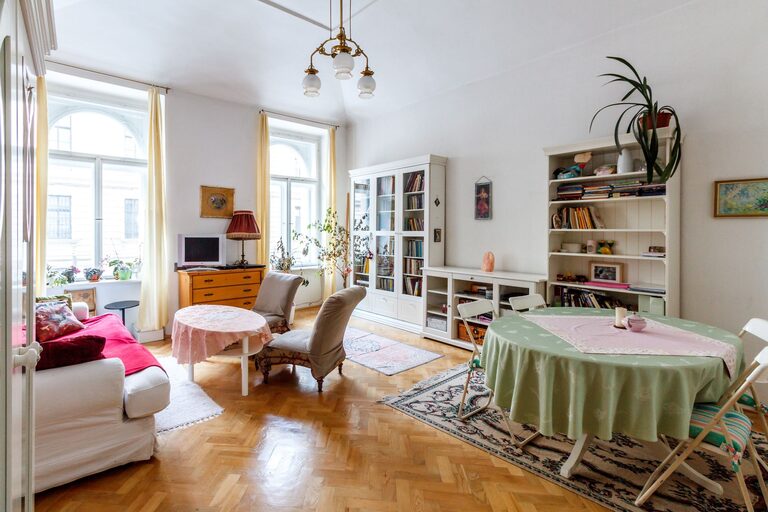
Hard surfaces such as wood, tile, glass, and bare walls reflect sound. Soft materials absorb some of those reflections, helping a room feel calmer and less echoing.
Try adding:
– Area rugs or carpet runners
– Curtains made from thick fabric
– Upholstered chairs and sofas
– Fabric wall hangings
– Cushions and blankets
– A padded headboard in the bedroom
Even a rug placed in the center of a room can reduce the sound of footsteps and soften echoes. In a hallway, a runner can help limit noise from shoes and movement.
Curtains are also useful near windows, especially when they extend from close to the ceiling to the floor. Choose lined or heavier curtains for more sound absorption. They will not block all outdoor noise, but they can make the room feel less exposed to it.
Use Rugs to Reduce Footstep Noise
Bare floors often make footsteps sound louder than they really are. Rugs help absorb impact and reduce the sharp sound of walking, dropped objects, and moving chairs.
For the best results:
- Use a rug pad beneath area rugs.
- Place runners in hallways and busy walkways.
- Add a small rug beside the bed.
- Use protective pads under chair and table legs.
- Secure loose rug edges to prevent movement and tripping.
In homes with multiple floors, rugs can also reduce the amount of sound traveling between levels. Thick padding beneath upstairs flooring may provide additional help if you are planning a larger improvement project.
Seal Gaps Around Doors and Windows
Small openings can let in a surprising amount of sound. Check the edges of exterior doors, windows, and shared walls for visible gaps.
Simple improvements include:
– Applying weatherstripping around doors and windows
– Installing a door sweep at the bottom of a door
– Replacing worn or cracked caulk
– Using removable draft blockers
– Checking that windows close tightly
Weatherstripping is inexpensive and can also help reduce drafts. A door sweep is especially useful for bedrooms, home offices, and rooms that face a hallway or busy outdoor area.
Avoid blocking required vents or making changes that interfere with safe exits. If you live in a rental, choose removable products or ask the property manager before making permanent changes.
Rearrange Furniture Strategically
Furniture can help absorb and interrupt sound. A large bookcase, wardrobe, or storage cabinet placed against a shared wall may reduce the amount of noise that passes through.
Consider these layout ideas:
– Place a bookcase on a wall shared with a noisy room.
– Keep beds and desks away from the loudest wall.
– Position sofas between living areas and hallways.
– Avoid placing speakers directly against walls.
– Use full bookcases rather than empty shelves when possible.
Books, baskets, and fabric storage boxes add extra layers that can soften sound. Make sure large furniture is stable and properly secured, particularly in homes with children or pets.
Reduce Noise from Doors and Cabinets
Doors and cabinets often create sudden, sharp sounds. Small adjustments can make these everyday noises much less noticeable.
Attach felt pads or rubber bumpers to:
– Cabinet doors
– Drawers
– Closet doors
– Toilet seats
– Furniture doors
– Wall-mounted items that vibrate
If a door squeaks, apply a suitable lubricant to its hinges. Tightening loose screws may also stop rattling. For doors that slam, check whether the hinges are aligned and consider adding a soft-close device.
These changes are simple, but they can make a significant difference in kitchens, bathrooms, bedrooms, and shared living spaces.
Keep Appliances from Vibrating
Some appliances create noise through vibration rather than loud operation. Washing machines, dryers, refrigerators, and air conditioners can transfer movement through floors and walls.
To reduce vibration:
– Make sure the appliance is level.
– Leave the recommended space around it.
– Clean vents and filters as directed.
– Place anti-vibration pads beneath suitable appliances.
– Avoid overloading washers and dryers.
– Check for loose panels, screws, or items resting on top.
Do not place objects on appliances if they can rattle during operation. If an appliance suddenly becomes much louder, stop using it if necessary and follow the manufacturer’s maintenance guidance.
Manage Sound from Home Electronics
Televisions, speakers, computers, and gaming systems can add to household noise. Their placement and settings matter as much as their volume.
Keep speakers on stable surfaces and avoid placing them directly against a wall or on a hollow cabinet. Soft pads beneath speakers may reduce vibration. Use headphones when appropriate, especially during early mornings or late evenings.
Many televisions and mobile devices include features such as night mode, volume leveling, or dialogue enhancement. These settings can make speech easier to hear without increasing the overall volume.
Set a comfortable volume before starting a show, and consider using automatic sleep timers so devices do not continue playing after everyone has gone to bed.
Create Quiet Zones
Choose one or two areas in your home where noise is kept to a minimum. This could be a bedroom, reading corner, home office, or part of the living room.
A quiet zone works best when it includes:
– Soft flooring
– A comfortable chair
– Limited electronic equipment
– Curtains or other fabric materials
– A clear agreement about quiet times
If multiple people share the home, simple household guidelines can help. For example, everyone might agree to use headphones during certain hours or avoid running noisy appliances early in the morning.
Add Background Sound When Needed
Some noises are difficult to remove completely. In these cases, gentle background sound can make sudden sounds less noticeable.
Options include:
– A fan on a low setting
– An air purifier
– A quiet sound machine
– Soft instrumental music
– Natural sounds such as rainfall
Choose a steady, comfortable sound rather than something loud or distracting. The goal is to soften changes in volume, not replace one unpleasant noise with another.
Maintain a Quieter Home Over Time
Noise control works best as an ongoing habit. Regularly check doors, windows, furniture, and appliances for new rattles or gaps. Keep floors clear so objects do not get knocked over, and place mats near entrances to reduce the sound of shoes.
Start with the simplest changes, such as adding a rug, sealing a door gap, or placing felt pads under cabinet doors. Then observe the results and focus on the areas that still need attention. With a few thoughtful adjustments, your home can become calmer, more comfortable, and easier to enjoy every day.
