
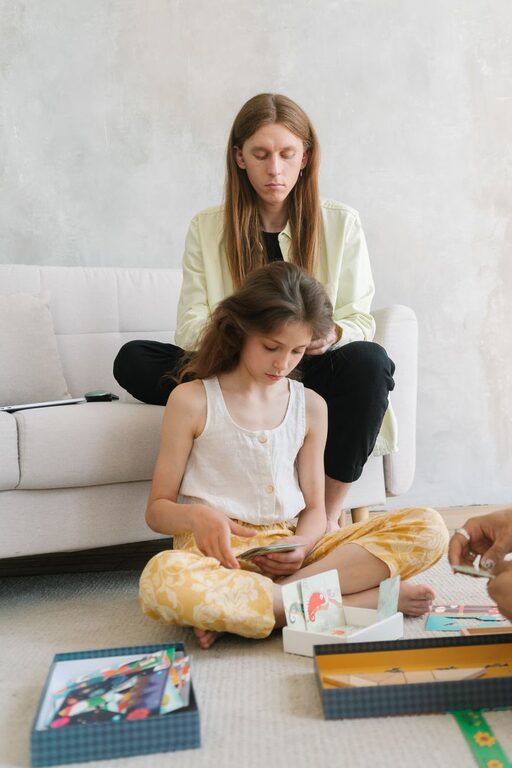
12 Fun Ideas for a Family Game Night at Home
Family game night is a simple way to spend quality time together without leaving home. With a few games, easy snacks, and a relaxed attitude, you can create an evening that everyone enjoys. The best game nights do not need expensive equipment or complicated plans. They are about laughing, taking turns, and making shared memories.
Whether your family enjoys board games, puzzles, team challenges, or creative activities, these ideas can help you plan a fun night for all ages.
1. Choose a Game Night Theme
A theme can make an ordinary evening feel special. It also helps you choose games, snacks, and decorations that fit the mood.
Try one of these themes:
– Around the World: Play games from different countries and serve small snacks inspired by various places.
– Game Show Night: Create trivia rounds, timed challenges, and simple prizes.
– Pajama Party: Wear comfortable pajamas, make warm drinks, and choose relaxing games.
– Retro Night: Play classic games that parents or grandparents enjoyed growing up.
– Mystery Night: Add guessing games, clues, and a small family-friendly mystery to solve.
– Color Night: Choose one color for decorations, snacks, and game pieces.
A theme does not need to be elaborate. Even matching snacks or a fun dress code can make the evening feel different from a regular night at home.
2. Set Up a Mix of Games
A successful game night usually includes more than one type of activity. Mixing games keeps everyone interested and gives family members different ways to participate.
Consider including:
A quick game
Quick games are useful at the beginning of the evening or between longer activities. Word games, matching games, simple card games, and short guessing games are easy to start and finish.
A strategy game
Strategy games invite players to plan ahead and make decisions. Choose a game that matches the ages and experience levels of your family members. If younger children are playing, look for games with simple rules and short turns.
A creative game
Drawing, acting, storytelling, or building games allow players to be imaginative. These are often enjoyable even for people who do not usually play traditional board games.
A cooperative game
In cooperative games, everyone works together toward a shared goal. This can be a good choice when you want to reduce competition and encourage teamwork.
3. Try a Homemade Trivia Contest
Family trivia can be personalized and costs little or nothing to create. Write questions about family memories, favorite foods, hobbies, animals, movies, books, or general knowledge.
Create several categories, such as:
– Family facts
– Nature and animals
– Food
– Music
– Books and movies
– Sports and hobbies
– Around the house
Divide the family into teams or let each person answer individually. Keep questions suitable for all ages, and give younger players a chance to answer easier questions. You can also include a “guess the answer” round where everyone writes down a response.
For prizes, use small household items, homemade certificates, or privileges such as choosing the next game or dessert.
4. Organize a Family Scavenger Hunt
A scavenger hunt adds movement and excitement to game night. Prepare a list of objects or clues before the event begins. Items can be found around the home, or clues can lead players from one room to another.
Sample challenges include:
– Find something that starts with the letter B.
– Bring back an object that is older than you.
– Locate something soft, something blue, and something round.
– Find a book with an animal on the cover.
– Take a family photo with a favorite household item.
You can run the hunt individually or in teams. To keep the activity organized, set a time limit and establish areas that are off-limits. For younger children, use pictures along with written clues.
5. Create a Minute-to-Win-It Challenge
Short timed challenges are easy to adapt for different ages. Use safe household objects and focus on laughter rather than perfect performance.
Ideas include:
– Stack plastic cups into a tower.
– Move cotton balls with a spoon.
– Toss socks into a laundry basket.
– Build the tallest tower from blocks.
– Transfer buttons or large craft items from one bowl to another.
– Keep a balloon in the air without letting it touch the floor.
Give each player one minute to complete a challenge. Keep score if your family enjoys competition, or simply celebrate each attempt. Make sure small objects are supervised when young children are taking part.
6. Plan a Game Night Snack Bar
Snacks make the evening feel festive and give everyone a chance to customize their food. Set up a small snack station before the games begin so people can help themselves during breaks.
Easy options include:
– Popcorn with different seasonings
– Pretzels and crackers
– Fresh fruit
– Vegetable sticks with dip
– Mini sandwiches
– Cheese and crackers
– Cookies or brownies
– Lemonade, sparkling water, or hot chocolate
A build-your-own snack is especially fun. Try a popcorn bar with toppings such as cinnamon, grated cheese, or dried fruit. You could also serve a taco bar, mini pizza station, or dessert decorating table.
Choose foods that are easy to eat and unlikely to spill on game pieces. Keep drinks in separate areas when possible.
7. Include Games for Different Ages
Family members may have different reading abilities, attention spans, and experience with games. Choosing activities with flexible rules helps everyone take part.
For younger children, look for:
– Picture matching
– Simple sorting games
– Movement challenges
– Drawing activities
– Easy memory games
Older children and adults may enjoy:
– Trivia
– Word games
– Strategy games
– Logic puzzles
– Team competitions
You can also pair family members into teams so that older players can help younger ones. This encourages cooperation and keeps the game moving without making anyone feel left out.
8. Add a Creative Round
A creative round gives everyone a break from traditional game rules. Provide paper, pencils, crayons, or building materials, then offer a simple challenge.
Try prompts such as:
– Draw a new family pet.
– Design a dream house.
– Invent a board game.
– Build a bridge from household materials.
– Create a family mascot.
– Tell a story using three random objects.
At the end, allow everyone to explain their creation. There does not need to be a winner. The goal is to encourage imagination and conversation.
9. Make a Family Game Night Tournament
If your family enjoys friendly competition, organize a small tournament with several short games. Create a simple score sheet and award points for participation, teamwork, or finishing a challenge.
To keep the tournament balanced:
– Choose games that use different skills.
– Keep rounds short.
– Rotate team members.
– Include bonus points for good sportsmanship.
– Avoid making one game worth too many points.
– End with a final group activity.
The overall winner could choose the next family activity, select a movie, or pick the dessert for the next game night. Keep the tone light so that the focus stays on having fun together.
10. Finish With a Calm Activity
After several energetic games, end the evening with something quieter. A puzzle, storytelling round, family photo review, or short reading session can provide a comfortable conclusion.
You might ask each person to share:
– Their favorite game of the night
– The funniest moment
– A game they would like to try next time
– One thing they appreciated about another player
This simple conversation helps everyone reflect on the evening and may give you ideas for future game nights.
Tips for a Smooth Game Night
A little preparation can prevent common problems. Before everyone sits down, read the rules, gather supplies, and decide how long the evening will last.
Keep these tips in mind:
– Choose games that fit the available time.
– Explain rules clearly and demonstrate an example.
– Have a backup activity ready.
– Allow breaks for snacks and movement.
– Do not force anyone to play every game.
– Encourage patience and good sportsmanship.
– Keep the focus on connection rather than winning.
– Let family members take turns choosing future games.
You can host family game night weekly, monthly, or whenever everyone has free time. The most important ingredients are simple: a welcoming space, activities that suit the group, and a willingness to enjoy time together. With a little creativity, your home can become the setting for many memorable game nights.
